
The New Green Goodbyes: Exploring Sustainable Memorial Practices in the Philippines

Around the world, families are rethinking how they say goodbye—looking for memorial options that honor their loved ones and protect the planet. The global shift toward sustainable memorial practices has introduced new ways to reduce carbon emissions, minimize toxic chemicals, and restore the earth after death. While Forest Lake Memorial Parks does not yet offer these sustainable practices, we are actively exploring them and are committed to being at the forefront of eco-friendly innovations in the memorial industry. In a recent Market Edge interview, our President and CEO urged policymakers to update regulations so the Philippines can begin adopting greener options:Gov’t urged to update rules to allow eco-friendly burials – ABS-CBN News Why Green Memorials Matter Traditional burials and cremations, though long-established, have notable environmental costs. Embalming fluids contain formaldehyde and other chemicals that can leach into soil; hardwood and metal caskets are resource-intensive; and cremation consumes high energy and releases carbon dioxide and mercury. Eco-friendly memorials aim to reverse this impact through methods that: These options provide families with meaningful ways to align personal values of sustainability and care with their final legacy. 1. Aquamation (Alkaline Hydrolysis or Water Cremation) How it works:Aquamation uses a combination of water, heat, pressure, and alkaline salts (usually potassium hydroxide) to accelerate the body’s natural decomposition. The body is placed in a stainless-steel chamber filled with about 95% water and 5% alkali. Over four to six hours, gentle heat (around 160°C) breaks down organic matter, leaving only mineral bone ash and a sterile liquid composed mostly of amino acids, sugars, and salts. Environmental benefits: Cost and availability:Internationally, aquamation costs are similar to or slightly lower than flame cremation, depending on regulation and location. It is legal in several countries, including Canada, the U.S., South Africa, and parts of Europe. In Asia, it is gaining recognition but awaits policy approval in most regions. In the Philippines, aquamation is being discussed by industry leaders like Forest Lake as a viable, environmentally responsible alternative once regulatory frameworks are in place. 2. Human Composting (Natural Organic Reduction) How it works:The body is placed in a reusable vessel filled with wood chips, straw, and alfalfa. Controlled heat, airflow, and moisture promote microbial activity—the same natural process that turns organic waste into compost. Within 30 to 45 days, the remains are transformed into nutrient-rich soil that can be safely returned to the earth. Environmental benefits: Cost and availability:In the U.S., services like Recompose and Return Home charge between USD 4,000–7,000, comparable to cremation. Fourteen states—including Washington, California, and New York—now allow it.In the Philippines, this technology has yet to be legalized, but its natural principles could inspire future eco-burial legislation and research.Learn more: Recompose 3. Green and Conservation Burial How it works:Green burials eliminate embalming and avoid concrete vaults or steel caskets. The deceased is buried in a biodegradable shroud or coffin made from bamboo, rattan, pine, or cloth. The grave is dug shallowly to allow natural decomposition and microbial interaction. Conservation burials take this further: cemeteries become protected natural reserves where burials fund land restoration and conservation projects. Families can plant trees or native vegetation in remembrance, transforming cemeteries into living forests. Environmental benefits: Availability:The U.K., U.S., and parts of Europe have well-established green cemeteries certified by the Green Burial Council (GBC). In the Philippines, similar models could thrive in rural or underutilized areas, where land conservation aligns with cultural respect for nature. 4. Mushroom and Mycelium Burial How it works:This emerging practice uses mycelium—the root network of fungi—to decompose the body while neutralizing toxins that accumulate in human tissue. The Infinity Burial Suit by Coeio is a full-body garment woven with fungal spores that activate upon contact with moisture and heat. The process completes within months, returning nutrients safely to the soil. Environmental benefits: Cost and availability:The Infinity Burial Suit costs around USD 1,500 and is approved for use in many U.S. green cemeteries. In Southeast Asia, access is limited, but biodegradable casket alternatives could offer similar environmental benefits. 5. Biodegradable Urns and Water Memorials How it works:These urns are made from organic materials like paper, salt, sand, or gelatin that naturally dissolve in soil or water. Families can bury them to grow a memorial tree, or release them at sea, where they disintegrate without polluting the marine environment. Environmental benefits: Cost and availability:Biodegradable urns range from PHP 1,500–5,000 depending on design and material. They can already be imported into the Philippines and used in coordination with local cremation services.Learn more: EPA Burial at Sea Guidelines 6. Memorial Reefs How it works:Cremated remains are mixed with marine-safe concrete to form artificial reef structures that are submerged in approved ocean zones. These structures attract coral and fish, helping rebuild damaged ecosystems. Families can visit the memorial site via diving or GPS-located markers. Environmental benefits: Considerations:Because it still involves cremation (a carbon-emitting process), this option is not entirely carbon-neutral, but it offers positive ecological offsets by enhancing biodiversity.Learn more: Eternal Reefs Sustainable Memorial Practices in the Philippines At present, Philippine laws focus primarily on traditional interment and cremation. However, industry leaders and environmental advocates are calling for updates to these rules to enable the introduction of aquamation, composting, and natural burials. As our CEO shared with Market Edge, “We want to create a future where memorial care respects both the memory of our loved ones and the environment they leave behind.” Forest Lake fully supports this movement and is preparing to pioneer such options once regulations allow. Forest Lake’s Commitment to a Greener Tomorrow As the country’s leading memorial park developer, Forest Lake Memorial Parks is committed to driving the evolution of memorial care. While traditional burials and cremations remain the standard, we are investing in research, dialogue, and partnerships to make sustainable practices possible in the near future. Through Total Memorial Care, we envision a Philippines where every park becomes a living space that celebrates life, legacy, and sustainability—making remembrance truly a better place for both people and the planet. Further Reading
Navigating Memorial Services, Death Traditions, and Memorial Lots in the Philippines
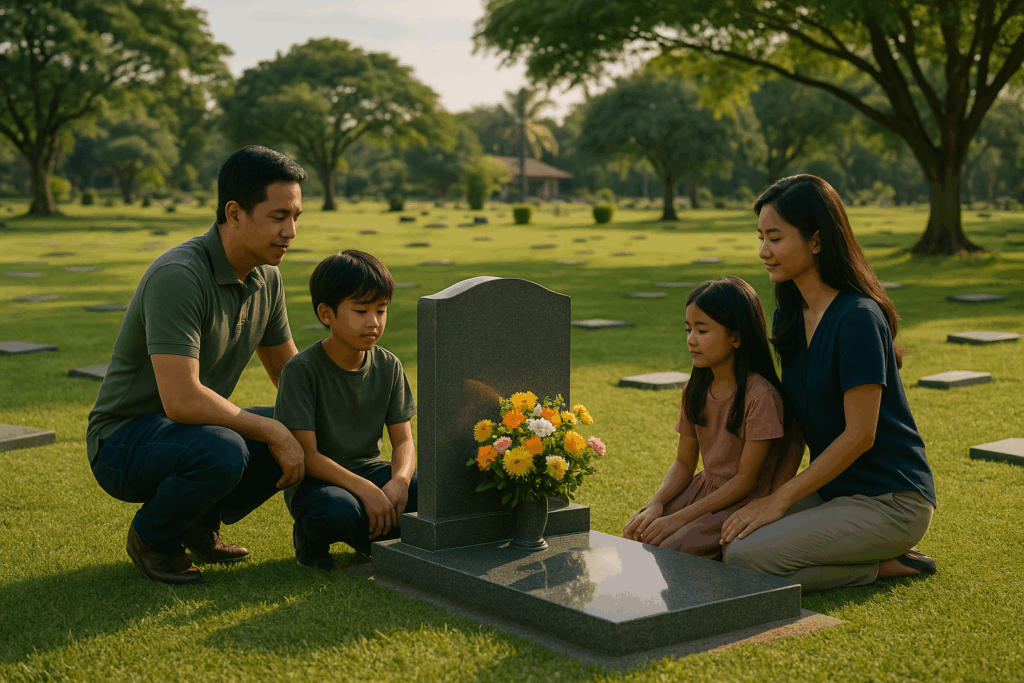
At Forest Lake Parks, we understand the profound and sensitive nature of death and memorial planning holds a unique significance within the rich cultural context of the Philippines. While the experience of grief is deeply personal, the process of honoring a loved one involves a multitude of practical and emotional considerations. This comprehensive guide aims to offer clarity and support during such challenging times, providing essential information on memorial services, deeply rooted death traditions, and the various options for memorial lots available across the archipelago. We designed this resource to serve as a reliable companion, offering guidance and comprehensive services that respect Filipino traditions and address your family’s needs. I. Understanding Filipino Traditions and Beliefs Surrounding Death The Philippines possesses a vibrant cultural tapestry, and this richness is particularly evident in its customs surrounding death and remembrance. These practices are often shaped by a blend of indigenous beliefs and the pervasive influence of the Catholic faith, which is deeply ingrained in the lives of many Filipinos. We at Forest Lake Parks deeply respect these traditions. A. Cultural Practices and Religious Customs Filipino mourning rituals are characterized by communal gatherings and a profound sense of family and community solidarity. The Wake (Lamay or Buhay) The wake, known locally as lamay or buhay, stands as a central pillar of Filipino mourning. It serves as an extended communal gathering where family and friends converge to pay their respects, offer condolences, and share cherished memories of the departed. The duration of these wakes is notably longer than in many Western cultures, typically spanning from four to nine days, with some traditions extending up to seven or even nine days. This prolonged period is intentionally designed to allow ample time for relatives, particularly those traveling from distant provinces or even from abroad, to attend and participate in the grieving process. During the wake, the deceased’s body is traditionally displayed in an elaborately adorned coffin, often decorated with an abundance of flowers and soft lighting. This can take place either within the family home or at a designated funeral home chapel. Visitors are encouraged to sign a guest book, signifying their presence and support. A common practice involves visitors offering financial donations, known as abuloy, to help the bereaved family defray the considerable costs associated with funeral and burial arrangements. In a reciprocal gesture of hospitality, the grieving family typically prepares or caters meals and snacks each evening for those who gather to pay their respects, fostering a continuous atmosphere of communal support and remembrance. The Funeral Service Funeral services in the Philippines are largely influenced by the Catholic faith, which is the predominant religion among Filipinos. The service itself often mirrors a typical Catholic mass, incorporating familiar elements such as hymns, prayers, and Scripture readings. A distinctive aspect of Filipino funerals is the prevailing tone; despite the overt expressions of mourning and weeping, there is frequently an underlying sense of hope. This reflects a deeply held belief that death is not the ultimate end of life, but rather a transition to another existence. These services consistently draw a large turnout, as loved ones prioritize their attendance to show solidarity, respect, and support for the bereaved family. Post-Funeral Commemorations The period following the funeral is marked by continued spiritual observances. A widespread tradition among Catholic Filipinos is the nine-day rosary novena, which commences immediately after the burial. This series of prayers is rooted in the belief that the loved one’s soul is actively transitioning into the afterlife during this period. Further prayers and commemorations are customarily held 40 days after the death, and again on the one-year anniversary, reinforcing the enduring connection between the living and the departed. B. Common Superstitions and Their Meanings Beyond formal religious rites, numerous superstitious beliefs, known as pamahiin, are widely observed during Filipino funerals. These practices, while varied in their origins and interpretations, often reflect a deep-seated desire for protection, peace for the departed, and good fortune for the living. At Forest Lake Parks, we understand that deathcare in the Philippines transcends a mere service transaction; it is a deeply ingrained social and spiritual event. Our awareness and respect for these nuances allow us to provide a more attuned approach, ensuring that our services and facilities naturally align with the deeply held values of your community. This subtle alignment fosters a more profound connection with families, which often translates into strong positive sentiment and word-of-mouth referrals. Here are examples of common superstitions: Table 1: Key Filipino Funeral Traditions and Beliefs Tradition/Belief Description/Meaning Cultural Significance The Wake (Lamay/Buhay) Extended period (4-9 days) of communal gathering for prayers, condolences, and sharing memories. Coffin is adorned, financial donations (abuloy) are offered, and food/drinks are served by the family. Fosters community solidarity, allows distant relatives to attend, provides financial and emotional support to the bereaved, and honors the deceased. Funeral Service Largely Catholic-influenced, includes hymns, prayers, and Scripture readings. Often has a hopeful tone despite mourning. Reflects dominant religious beliefs, emphasizes belief in an afterlife, and serves as a public demonstration of respect and grief. 9-Day Novena Recitation of the rosary for nine consecutive days after the funeral. Believed to aid the soul’s transition to the afterlife and provide spiritual comfort to the family. 40-Day & 1-Year Commemorations Subsequent prayers and remembrances held 40 days and one year after death. Marks significant milestones in the grieving process and continued spiritual support for the departed. No Sweeping During Wake Family members avoid sweeping the floor. Believed to prevent banishing the deceased’s spirit or causing another death in the family. No “Thank You” by Bereaved Family avoids saying “thank you” for condolences or financial support. Superstitiously believed to imply happiness about the death. No Taking Food Home from Wake Visitors are discouraged from taking food/snacks home. Believed to prevent the spirit from following or to ensure the deceased does not go hungry in the afterlife. Pagpag (Side Trip) Making a brief stop elsewhere after a wake/funeral before going directly home. Believed to confuse following spirits,
Forest Lake Hits ₱3.2 Billion in Sales, Sets Sights on Expansion in 2024
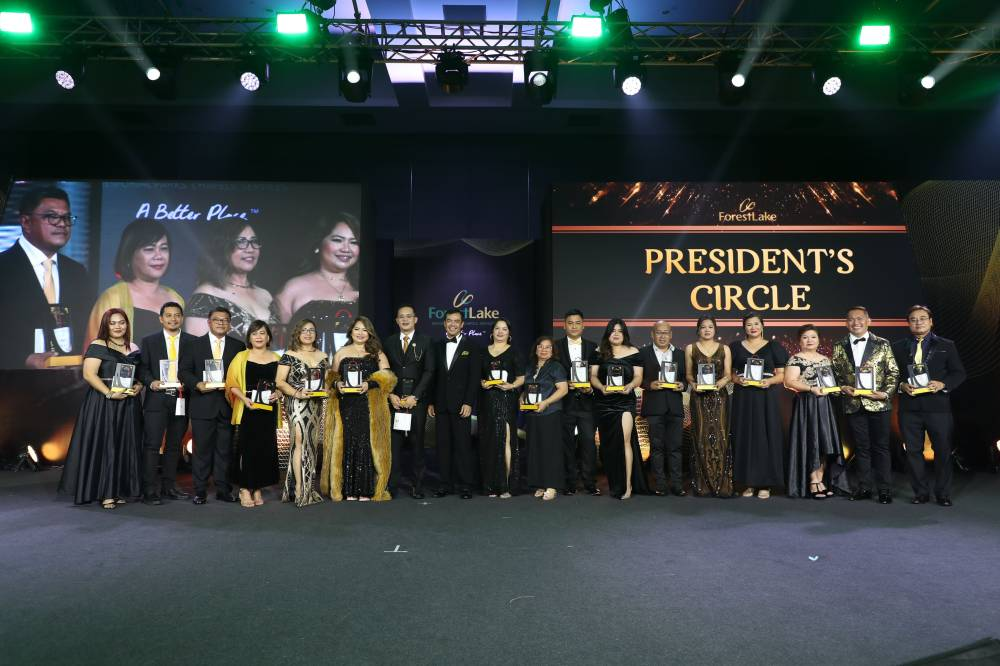
2023 was a record-breaking year for all of us at Forest Lake. We are proud to share that we surpassed ₱3.2 billion in sales, a milestone that reflects the dedication, excellence, and trust built between our sales teams, partners, and the Filipino families we serve. We celebrated this achievement at our 10th National Sales Convention last April at the Grand Ballroom of City of Dreams Manila. It was a night to remember—where we honored the efforts of over 5,000 active sellers, and gave recognition to the people who continue to power our mission forward. A Milestone Built by Our People This achievement belongs to our sellers, leaders, and park managers. As our President and CEO, Alfred Xerez-Burgos III, shared during the celebration: “Our sales team’s exceptional performance in achieving ₱3.2 billion in sales is a true testament to their dedication and hard work. Their relentless pursuit of excellence has been the cornerstone of our success.” And we couldn’t agree more. We’ve grown to over 37 parks across the Philippines, and we are more committed than ever to making accessible and dignified memorial care available to every Filipino family. As part of our reward system, our top performers earned an all-expenses-paid trip to Ho Chi Minh, Vietnam—a well-deserved break and celebration of their consistent excellence. What We’re Looking Forward to in 2024 We’re not slowing down. In 2024, we are continuing our expansion into new regions, adding more parks to serve more communities in Luzon, Visayas, and Mindanao. At the same time, we’re deepening our commitment to the people behind our success—our sales partners—by continuing to offer generous commissions, performance bonuses, leadership development, and support tools to help them thrive. We’re also pushing forward with innovation: Always Moving Forward As we look ahead, our purpose remains unchanged: to become the most trusted and complete provider of memorial care in the Philippines. We’re grateful for what we’ve achieved together—and we’re even more excited for what’s next. Thank you for trusting Forest Lake. Let’s keep building A Better Place together. To learn more about our parks and services, visit forestlakeparks.com.
Talon: Ready for the Unexpected?
As we welcome a new year, we’re not just moving forward—we’re also taking time to reflect on what truly matters. For many Filipino families, honoring the memory of loved ones has become more intentional, more personal, and more thoughtful. This New Year’s message from Forest Lake reminds us that where we choose to remember is just as important as how we remember.