
Animo Forest Lake: Celebrating the Spirit of Our Nationwide Sales Force
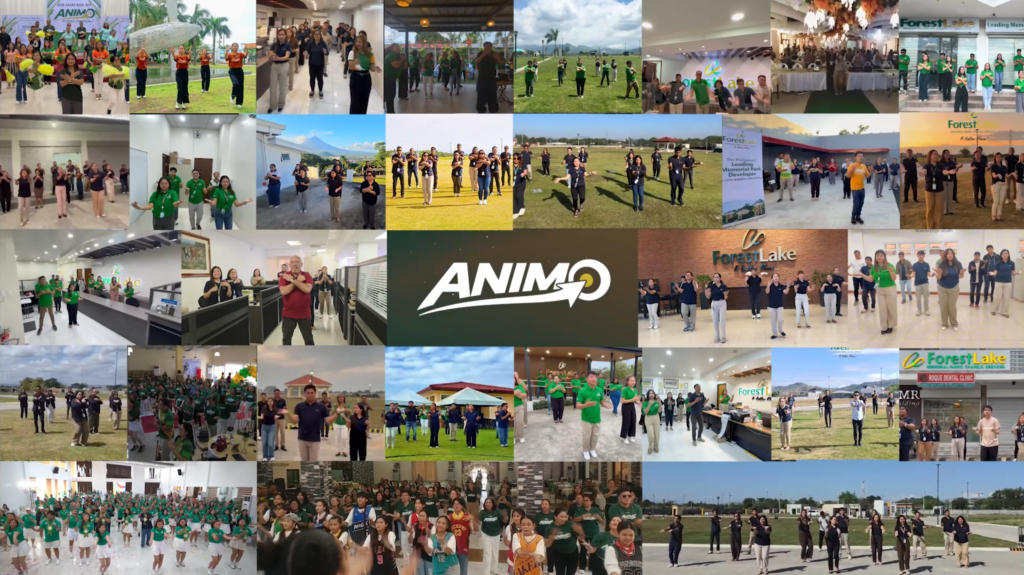
Across Luzon, Visayas, and Mindanao, one spirit brings the Forest Lake Sales Team together: Animo. Forest Lake proudly presents the Animo Forest Lake Music Video, a nationwide project joined by our sales teams from Luzon, Visayas, and Mindanao. This video is more than a performance. It is a celebration of teamwork, passion, and unity. Most of all, it honors the people who help bring Forest Lake closer to Filipino families every day. A Celebration of Unity and Teamwork The Animo Forest Lake Music Video highlights the energy and commitment of our nationwide sales organization. Each team featured in the video represents a region, a site, and a shared mission—to help more Filipino families secure a better place for the future. Through every performance, every smile, and every team proudly joining in, the video reflects what makes Forest Lake strong: people working together with one purpose. The Spirit Behind Every Achievement Forest Lake’s continued growth is made possible by the dedication of its people. Behind every milestone are individuals and teams who continue to serve with professionalism, perseverance, and malasakit. The Animo video is a tribute to that spirit. It reminds us that our achievements are not built by one person alone, but by a nationwide family moving together toward a common goal. It is a celebration of hard work, shared pride, and the belief that when we move as one, we can achieve more. One Forest Lake, One Mission As Forest Lake continues to grow and expand its services across the country, our sales teams remain at the front line of our mission. They help bring Forest Lake’s products, services, and promise of A Better Place closer to Filipino families. The Animo Forest Lake Music Video captures this collective energy—bold, joyful, and full of purpose. To all participating teams across Luzon, Visayas, and Mindanao, thank you for showing the true spirit of Forest Lake. Animo Forest Lake! Together, we move forward.Together, we serve Filipino families.Together, we continue building A Better Place.
Forest Lake Celebrates Nationwide Sales Force at 12th National Sales Convention After Record 2025 Performance
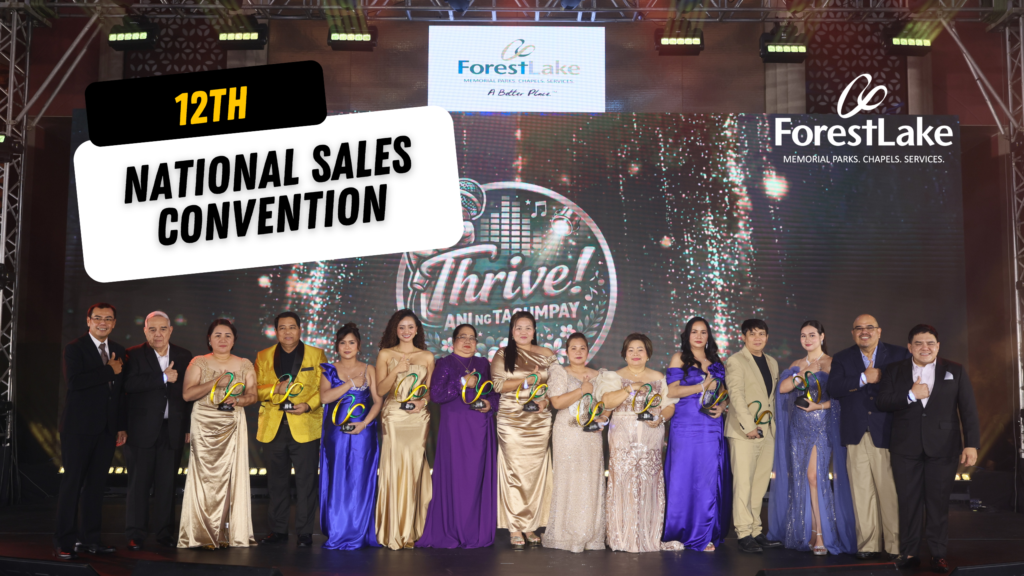
Forest Lake Development Inc. celebrated the dedication, excellence, and collective achievement of its nationwide sales organization during its 12th National Sales Convention, held on April 21, 2026 at Okada Manila. Carrying the theme “THRIVE: Ani ng Tagumpay,” the convention gathered more than 550 guests from across Luzon, Visayas, and Mindanao, bringing together sales leaders, agents, employees, executives, partners, and stakeholders in a night dedicated to recognizing the people behind Forest Lake’s strongest performance to date. The event marked a historic milestone for Forest Lake, following its record-breaking ₱5.5 billion sales production in 2025, a significant increase from its ₱3.8 billion performance in 2024. More than a celebration of numbers, the convention honored the teamwork, perseverance, and shared commitment that continue to drive the company’s nationwide growth. Honoring the People Behind the Milestone At the heart of the convention was Forest Lake’s tribute to its nationwide sales force—the men and women who continue to bring the company’s products, services, and mission closer to Filipino families. Top-performing Sales Consultants, Agency Managers, sales leaders, and regional teams were recognized for their outstanding performance, leadership, and contribution to Forest Lake’s continued success. Their efforts helped strengthen the company’s presence across the country, build customer trust, and expand access to meaningful memorial care solutions. The celebration reflected Forest Lake’s belief that its people remain the company’s greatest strength. Every achievement recognized during the evening was a reminder that Forest Lake’s growth is made possible by the dedication of individuals and teams who consistently serve families with professionalism, compassion, and care. Moving Forward with Total Memorial Care The 12th National Sales Convention also highlighted Forest Lake’s continued evolution from the Philippines’ leading memorial park developer into the country’s leading memorial park developer with Total Memorial Care. Through this direction, Forest Lake continues to expand beyond memorial parks by offering families a growing range of services designed to provide support before, during, and after times of loss. These include Libre Burol or Libre Haya, Libing Anywhere, memorial chapels, cremation services, columbarium developments, interment services, and other future-ready memorial care solutions. Forest Lake also continues to strengthen its nationwide service network, with accredited funeral home partners supporting Libre Burol services across Luzon, Visayas, and Mindanao. This growing network allows the company to make compassionate and practical memorial care more accessible to more Filipino families. Growth Across the Country The convention also served as an opportunity to showcase Forest Lake’s continued expansion and operational milestones. The company now operates 42 memorial parks nationwide, including recently launched developments in Bacnotan, Gapan, and Rosario. These new developments reflect Forest Lake’s ongoing commitment to making quality memorial properties and services available in more communities across the Philippines. The company’s expansion is anchored on its mission to provide Filipino families with dignified, accessible, and lasting memorial care. Forest Lake also shared the approval of its increase in authorized capital stock from ₱1 billion to ₱4 billion, supporting the company’s plans for further expansion, infrastructure development, technology investments, operational improvements, and the development of more memorial parks and chapels nationwide. A Night of Recognition and Celebration Adding to the celebratory atmosphere of the evening were special performances by AZTER and a mini-concert by Mr. Pure Energy himself, Gary Valenciano. The program brought together recognition, entertainment, and fellowship, creating a memorable experience for attendees from across the country. As part of its commitment to rewarding excellence, Forest Lake also recognized its top-performing sellers with an all-expense-paid incentive trip to Bangkok, Thailand from April 22 to 25, 2026. The trip included cultural tours, shopping experiences, visits to Thailand’s iconic landmarks, and a luxury buffet dinner cruise. This incentive underscored Forest Lake’s continuing investment in sales excellence, motivation, and long-term career opportunities for its nationwide sales organization. Thriving Together Toward the Future The theme “THRIVE: Ani ng Tagumpay” captured the spirit of the celebration—a harvest of success built through hard work, unity, and shared purpose. As Forest Lake continues to grow, the company remains focused on strengthening its role as a trusted partner of Filipino families. Through its expanding network of memorial parks, Total Memorial Care services, and dedicated nationwide organization, Forest Lake moves forward with a clear commitment: to serve families with dignity, compassion, and care. The 12th National Sales Convention was not only a celebration of a record-breaking year. It was a reaffirmation of Forest Lake’s people, values, and vision for the future. Together, Forest Lake continues to thrive—building A Better Place for Filipino families across the country.
Insurance Commission Confirms: Libre Burol is NOT a Pre-Need Product
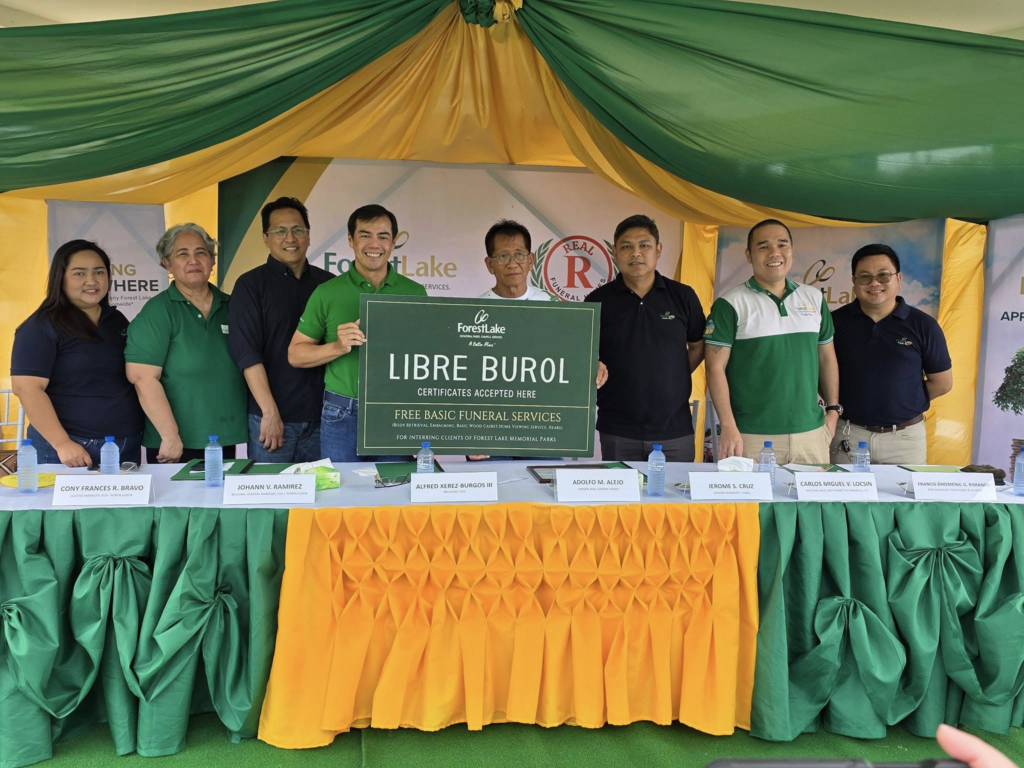
Forest Lake is pleased to share an important development that provides clarity and assurance to our clients. Following its motu proprio investigation, the Insurance Commission (IC) has ruled that the Libre Burol program of Forest Lake Memorial Services Corporation (FLMSC) is not a pre-need product, and that FLMSC is not engaged in pre-need business. This decision affirms how the program has always been designed—to support families at the time of need, without requiring advance payment or obligation. What This Means for Our Clients The ruling highlights several key points that are important for our clients to understand: A Clear Direction Moving Forward The Insurance Commission’s decision affirms that the Libre Burol program is structured properly and may continue to be offered to clients. More importantly, it reinforces our commitment to provide meaningful support to families—not as a prepaid obligation, but as a service extended when it matters most. At Forest Lake, our focus remains the same: to help Filipino families navigate life’s most difficult moments with dignity, care, and clarity. Please see the attached official statement from our President & CEO.
State of the Company Video 2025
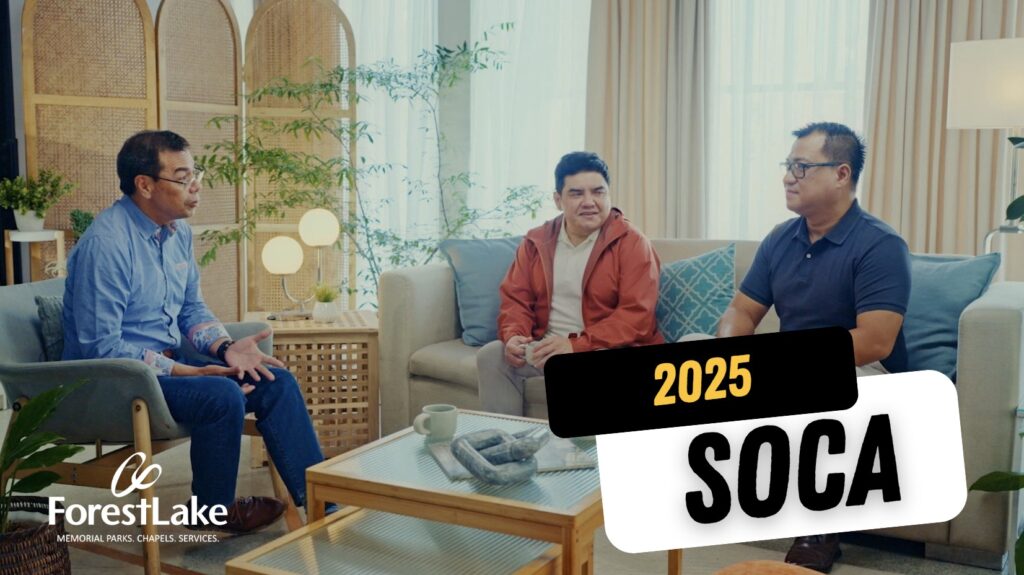
Every year, we take a moment to reflect—not just on how far we’ve come, but on the purpose that continues to drive us forward. Our 2025 State of the Company Address is more than an update. It’s a story of growth, resilience, and the people who have shaped Forest Lake into what it is today. From meaningful milestones to bold steps toward the future, this year’s address captures the heart of our journey and the vision that guides everything we do. As we continue to expand and innovate, one thing remains constant: our commitment to serve families with dignity, compassion, and care. This is the foundation of everything we build—and the legacy we are proud to carry forward. We invite you to watch the full video and hear directly from our leaders as they share the milestones, insights, and aspirations that define Forest Lake today—and the future we are building together.
UNDASKO 2025: A Nationwide Celebration of Life and Remembrance
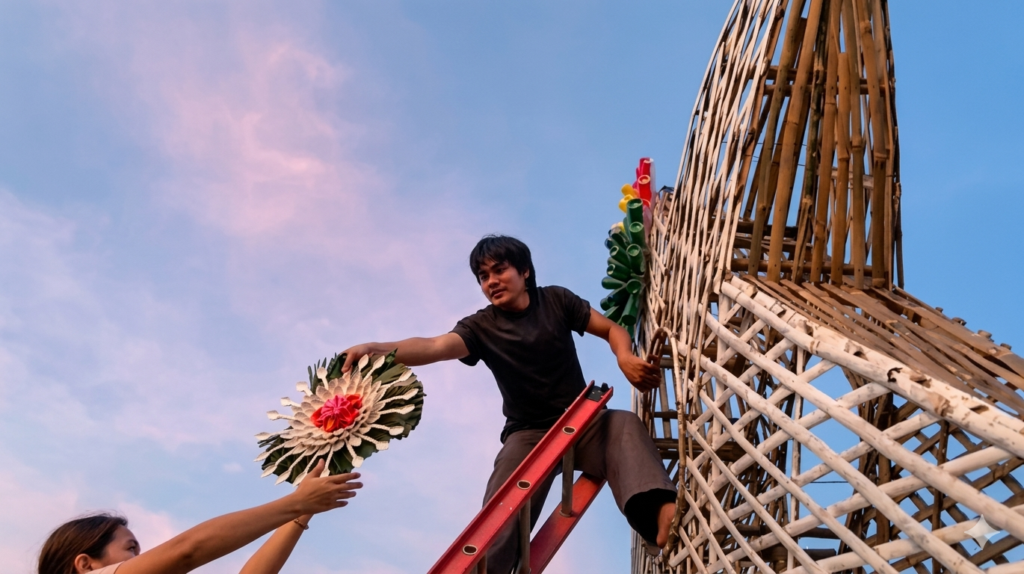
UNDASKO 2025 marked the second year of Forest Lake’s nationwide celebration—an initiative that continues to redefine how we honor Undas. More than a tradition, UNDASKO has become a movement. Across Luzon, Visayas, and Mindanao, our parks transformed into spaces not just for remembrance, but for connection—where families could gather, reflect, and celebrate life together. What makes UNDASKO unique is how it brings together the living and the memory of those who came before us. During a season that is often solemn, we created an environment where families could celebrate—not just mourn. Lanterns lit the night, symbolizing hope and remembrance. Shared moments, stories, and laughter filled our parks, reminding us that love continues beyond loss. It was a time where visiting loved ones was no longer just an obligation, but an experience—one that families could look forward to, together. From quiet prayers to joyful reunions, UNDASKO 2025 showed us that remembrance can also be uplifting. That honoring our departed can coexist with celebrating the lives we continue to live. As this tradition grows, so does our commitment to creating meaningful experiences for every Filipino family—spaces where memories are not only preserved, but lived. Because at Forest Lake, it will always be A Better Place.
The New Green Goodbyes: Exploring Sustainable Memorial Practices in the Philippines
Around the world, families are rethinking how they say goodbye—looking for memorial options that honor their loved ones and protect the planet. The global shift toward sustainable memorial practices has introduced new ways to reduce carbon emissions, minimize toxic chemicals, and restore the earth after death. While Forest Lake Memorial Parks does not yet offer these sustainable practices, we are actively exploring them and are committed to being at the forefront of eco-friendly innovations in the memorial industry. In a recent Market Edge interview, our President and CEO urged policymakers to update regulations so the Philippines can begin adopting greener options:Gov’t urged to update rules to allow eco-friendly burials – ABS-CBN News Why Green Memorials Matter Traditional burials and cremations, though long-established, have notable environmental costs. Embalming fluids contain formaldehyde and other chemicals that can leach into soil; hardwood and metal caskets are resource-intensive; and cremation consumes high energy and releases carbon dioxide and mercury. Eco-friendly memorials aim to reverse this impact through methods that: These options provide families with meaningful ways to align personal values of sustainability and care with their final legacy. 1. Aquamation (Alkaline Hydrolysis or Water Cremation) How it works:Aquamation uses a combination of water, heat, pressure, and alkaline salts (usually potassium hydroxide) to accelerate the body’s natural decomposition. The body is placed in a stainless-steel chamber filled with about 95% water and 5% alkali. Over four to six hours, gentle heat (around 160°C) breaks down organic matter, leaving only mineral bone ash and a sterile liquid composed mostly of amino acids, sugars, and salts. Environmental benefits: Cost and availability:Internationally, aquamation costs are similar to or slightly lower than flame cremation, depending on regulation and location. It is legal in several countries, including Canada, the U.S., South Africa, and parts of Europe. In Asia, it is gaining recognition but awaits policy approval in most regions. In the Philippines, aquamation is being discussed by industry leaders like Forest Lake as a viable, environmentally responsible alternative once regulatory frameworks are in place. 2. Human Composting (Natural Organic Reduction) How it works:The body is placed in a reusable vessel filled with wood chips, straw, and alfalfa. Controlled heat, airflow, and moisture promote microbial activity—the same natural process that turns organic waste into compost. Within 30 to 45 days, the remains are transformed into nutrient-rich soil that can be safely returned to the earth. Environmental benefits: Cost and availability:In the U.S., services like Recompose and Return Home charge between USD 4,000–7,000, comparable to cremation. Fourteen states—including Washington, California, and New York—now allow it.In the Philippines, this technology has yet to be legalized, but its natural principles could inspire future eco-burial legislation and research.Learn more: Recompose 3. Green and Conservation Burial How it works:Green burials eliminate embalming and avoid concrete vaults or steel caskets. The deceased is buried in a biodegradable shroud or coffin made from bamboo, rattan, pine, or cloth. The grave is dug shallowly to allow natural decomposition and microbial interaction. Conservation burials take this further: cemeteries become protected natural reserves where burials fund land restoration and conservation projects. Families can plant trees or native vegetation in remembrance, transforming cemeteries into living forests. Environmental benefits: Availability:The U.K., U.S., and parts of Europe have well-established green cemeteries certified by the Green Burial Council (GBC). In the Philippines, similar models could thrive in rural or underutilized areas, where land conservation aligns with cultural respect for nature. 4. Mushroom and Mycelium Burial How it works:This emerging practice uses mycelium—the root network of fungi—to decompose the body while neutralizing toxins that accumulate in human tissue. The Infinity Burial Suit by Coeio is a full-body garment woven with fungal spores that activate upon contact with moisture and heat. The process completes within months, returning nutrients safely to the soil. Environmental benefits: Cost and availability:The Infinity Burial Suit costs around USD 1,500 and is approved for use in many U.S. green cemeteries. In Southeast Asia, access is limited, but biodegradable casket alternatives could offer similar environmental benefits. 5. Biodegradable Urns and Water Memorials How it works:These urns are made from organic materials like paper, salt, sand, or gelatin that naturally dissolve in soil or water. Families can bury them to grow a memorial tree, or release them at sea, where they disintegrate without polluting the marine environment. Environmental benefits: Cost and availability:Biodegradable urns range from PHP 1,500–5,000 depending on design and material. They can already be imported into the Philippines and used in coordination with local cremation services.Learn more: EPA Burial at Sea Guidelines 6. Memorial Reefs How it works:Cremated remains are mixed with marine-safe concrete to form artificial reef structures that are submerged in approved ocean zones. These structures attract coral and fish, helping rebuild damaged ecosystems. Families can visit the memorial site via diving or GPS-located markers. Environmental benefits: Considerations:Because it still involves cremation (a carbon-emitting process), this option is not entirely carbon-neutral, but it offers positive ecological offsets by enhancing biodiversity.Learn more: Eternal Reefs Sustainable Memorial Practices in the Philippines At present, Philippine laws focus primarily on traditional interment and cremation. However, industry leaders and environmental advocates are calling for updates to these rules to enable the introduction of aquamation, composting, and natural burials. As our CEO shared with Market Edge, “We want to create a future where memorial care respects both the memory of our loved ones and the environment they leave behind.” Forest Lake fully supports this movement and is preparing to pioneer such options once regulations allow. Forest Lake’s Commitment to a Greener Tomorrow As the country’s leading memorial park developer, Forest Lake Memorial Parks is committed to driving the evolution of memorial care. While traditional burials and cremations remain the standard, we are investing in research, dialogue, and partnerships to make sustainable practices possible in the near future. Through Total Memorial Care, we envision a Philippines where every park becomes a living space that celebrates life, legacy, and sustainability—making remembrance truly a better place for both people and the planet. Further Reading